Cree Nation Government’s Climate Resilience and Monitoring Work
Background
The Cree Nation Government handles the day-to-day governing and administrative work for Eeyou Istchee, meaning “the People’s Land”, which is made up of 11 independently-governed Cree communities and is home to 22,000 people. Their traditional territory is a huge 400,000 km2 area located in northern Quebec on the eastern side of James Bay and Hudson Bay (called the Eeyou Marine Region) with some historically-occupied lands in Ontario. Since 2018, Cree Nation Government has been working to improve climate change resilience in Eeyou Istchee, through community engagement, developing ice safety and weather monitoring capacity, and adaptation planning. In recent years, Cree Nation Government created a dedicated Climate Change Unit within its Environment and Remedial Works department, emphasizing their commitment to understanding and effectively tackling climate change.
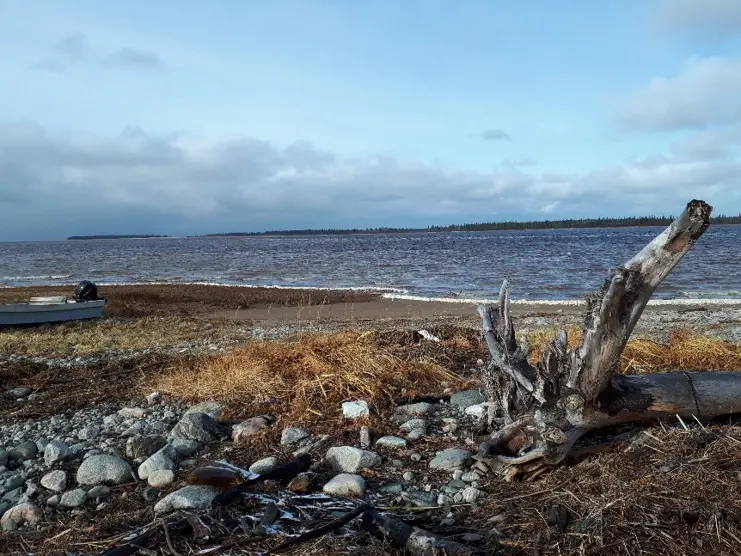
Climate change impacts to Eeyou Istchee communities include increased risk of natural disasters such as wildfires, changes to seasonal timing such as ice freeze-up and break-up, and impacts to housing and safety, among others. These environmental changes directly threaten the Cree way of life – access to the land, nutrition, living conditions, health, and spiritual well-being. As such, Cree Nation Government is taking a social and cultural approach to addressing climate change by incorporating Cree knowledge and culture and working collaboratively to ensure that the unique needs of Eeyou Istchee communities are met.
Partnerships
Early on in Cree Nation Government’s climate resilience work, a Regional Climate Change Advisory Committee was created to guide its work on adaptation and mitigation – ensuring that it stays community-driven – and to promote information sharing and collaboration. The Advisory Committee is composed of representatives from 9 Cree communities as well as representatives of regional organizations including the:
- Cree Nation Youth Council
- Cree School Board
- Cree Board of Health and Social Services of James Bay
- Nishiiyuu Council of Elders and
- Cree Women of Eeyou Istchee Association
This diversity in membership helps raise awareness about climate change impacts across the region and ensure effective engagement with a wide range of Eeyou Istchee stakeholders. In addition, Cree Nation Government has established several external partnerships such as:
- Federal groups: Cree Nation Government has been working with the Meteorological Service of Canada and the Canadian Centre for Climate Services, both part of Environment and Climate Change Canada, for scientific and technical support.
- Provincial entities: Cree Nation Government has been collaborating with Hydro-Québec to support the James Bay Coastal Hydrometric network.
- Consultants: Cree Nation Government has hired consultants to provide training related to ice monitoring and to support the procurement and installation of their weather stations.
- Academia: Cree Nation Government maintains close contact with the Chisasibi Eeyou Resource and Research Institute (CERRI). Moreover, it partners with the Université du Québec à Montréal (UQAM) to enable hydrometric data analysis as well as with other universities for research purposes (i.e., research into how climate change impacts wetland carbon storage, forest fires, coastal ecosystems, etc.).
Establishing and maintaining diverse partnerships has been instrumental to the success of Cree Nation Government’s monitoring initiative as it has allowed them to seek expertise when they need it – whether that be the expertise of community Elders and land users or of scientific and academic professionals. Working collaboratively has ensured that the initiative is grounded in both Cree knowledge and western science.
Community Engagement
Cree Nation Government, working with its Advisory Committee, has hosted several workshops to advance climate adaptation planning, strengthen collaboration among communities, and support sustainable practices. They have also used these sessions to share updates on planned weather station locations and progress on developing ice monitoring buoys. Emphasis was put on the importance of collecting local data on both Cree knowledge and western scientific monitoring during the workshops. Cree Nation Government has also held regional gatherings, such as the inaugural 2018 Cree Regional Climate Forum.
In 2024, Cree Nation Government hosted another Cree Regional Climate Forum which brought together over 165 participants including Cree representatives, federal and provincial government representatives, climate specialists, and knowledge holders. This forum resulted in 27 calls-to-action and 25 strategic policy recommendations, demonstrating the value of regional gatherings in creating solutions and addressing the unique climate challenges faced by Indigenous communities.
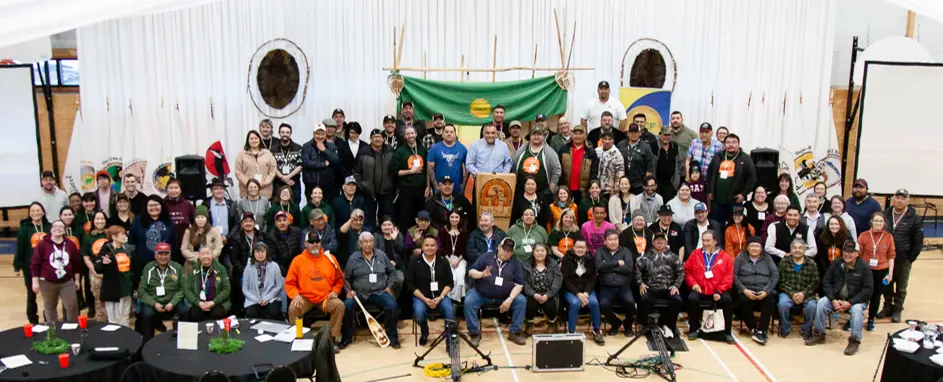

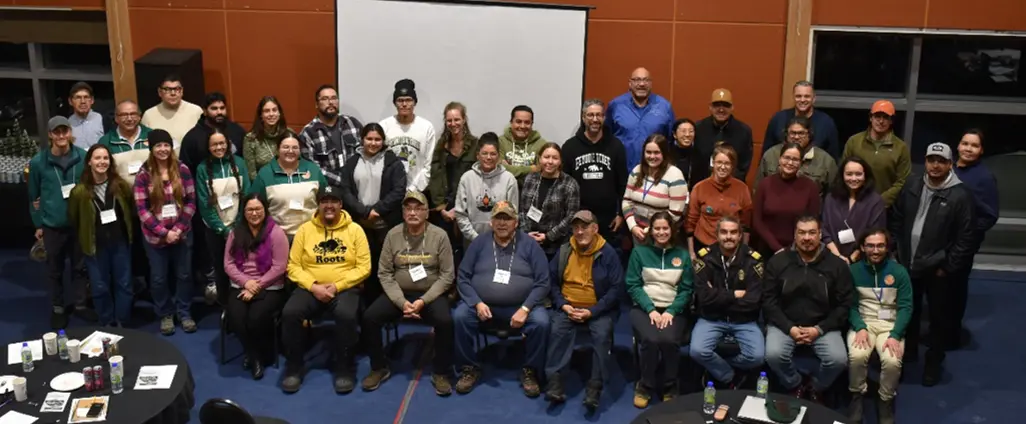
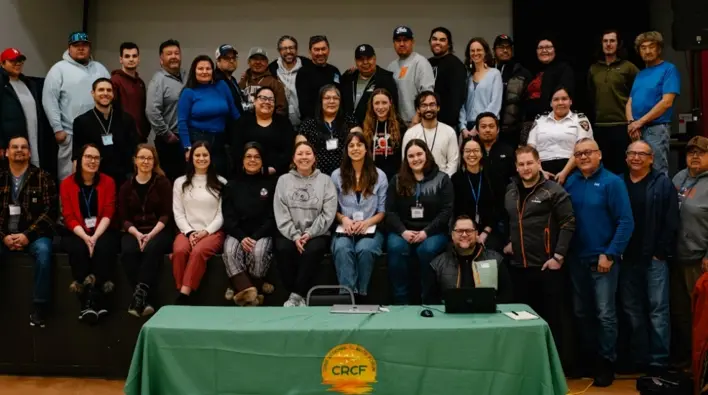
In 2025, the Cree Nation Government organized two Climate Change Adaptation and Environmental Emergency Preparedness Workshops. For example, the Mistissini workshop lasted 3 days, with each day focusing on one key topic. Day 1 centered around climate change issues faced by Mistissini, encouraging participants to consider the impacts of local, individual climate action, and emphasizing the importance of focusing on what we can control. Day 2 centered around a regional outlook for a climate-resilient Eeyou Istchee, during which members of the Advisory Committee shared anecdotes from their local experiences and spoke about forthcoming adaptation priorities. The third and final day focused on resilience in action and building community preparedness. Participants left the workshop with increased knowledge of local adaptation strategies and enthusiasm for laying a strong foundation for climate resilience. The second workshop was held in Chisasibi.
Youth Engagement
Throughout its climate change work, Cree Nation Government has consistently engaged Cree youth. A few examples include:
- Northern Climate Game: Cree Nation Government created a climate change game for use in Eeyou Istchee elementary and high schools to teach children about how climate change is impacting their communities and cultural practices.
- Ice Monitoring: Youth who attended the ice monitoring training in Wemindji in 2023 learned about their land and how to safely be on the ice. A youth participant stated after the training that he, “feels more confident to be on the ice”. The session connected youth to their territory and gave them the tools to engage with it safely.
- 2026 Cree Nation Youth Council Summit: The Cree Nation Government’s Department of Environment and Wildlife sent five representatives to the Cree Nation Youth Council Summit in Québec City with the goal to inspire and engage with youth in safeguarding their lands, waters, and communities for future generations. They held a booth for the entirety of the event, engaged with over a hundred youth, gave a presentation on climate change in Eeyou Istchee to all the attendees (more than 250 people), and hosted two Northern Climate Change workshops in collaboration with the Cree Health Board for 20 youth.
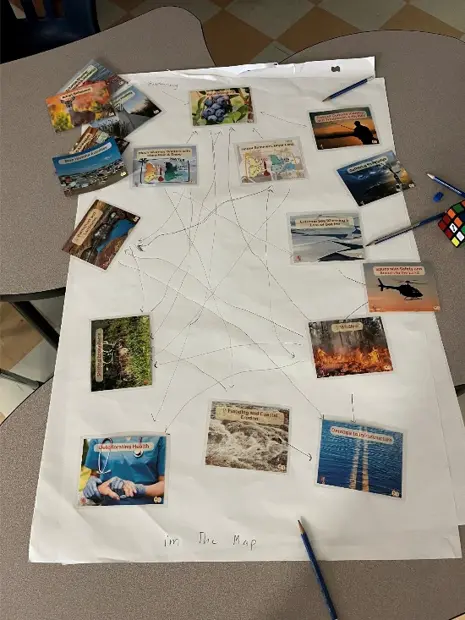
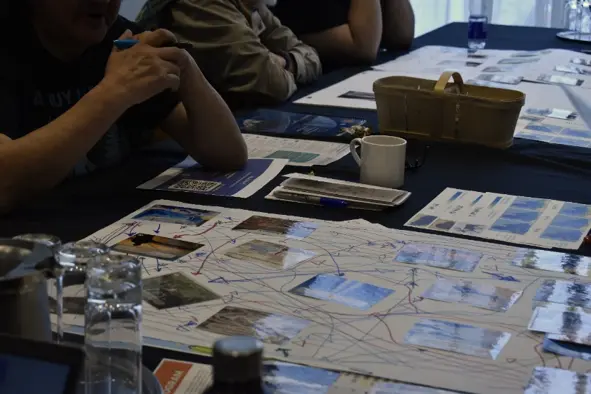

All of these engagement opportunities have served to strengthen the connection Cree youth have to their culture, language, and land.
Training sessions and workshops have been offered throughout the years to Eeyou Istchee communities to ensure their participation in and understanding of the work Cree Nation Government is doing. For example, in the summer of 2024, Cree Nation Government’s Climate Change Unit traveled to Nemaska, Chisasibi, and Whapmagoostui to present a series of workshops which would guide the implementation of weather stations, including site selection. These workshops allowed land users and other community members to learn about the project. Cree Nation Government used Q&A sessions to collect community members’ views, which were then used to inform the monitoring deployment.
Community engagement has been used throughout the initiative to ensure that community members not only influence but understand and consent to the work being done within their territory. Guidance from community members has been instrumental in ensuring that the initiative is as successful as possible and leverages Cree knowledge to the fullest extent.
Ice Safety and Weather Monitoring
Ice Safety Monitoring
Over the years, Cree Nation Government has created ice monitoring capacity in Eeyou Istchee through a mix of investment in training for community members and in monitoring equipment, ranging from low tech to high tech methods. For example, Cree Nation Government invited 9 communities to receive training and participate in an ice monitoring project, but unfortunately due to COVID-19 impacts only 3 communities (Whapmagoostui, Wemindji, and Mistissini) were able to participate. Participants were trained on methods and protocols for monitoring sea ice and freshwater ice along travel routes, such as drilling holes in the ice with an auger and measuring its thickness. Training was also delivered on general community ice safety. Monitoring equipment purchased included solar-operated trail cameras, which automatically take photos of ice in the communities (e.g. the bay, lake, etc.) to document changes over the season. These cameras have cellular connections so that the photos can be uploaded as they are taken.
In addition, the Cree Nation Government has created a series of short videos on the topic of ice safety with the objective of motivating land users to incorporate safe practices when they travel on the ice. Topics include inland ice, coastal ice, and ice walls as well as ice monitoring methods, and equipment.
Weather Monitoring
Cree Nation Government has a Collaborative Memorandum of Understanding for Weather and Climate Information with the Meteorological Service of Canada (MSC). The goal of this partnership is to share data and expertise to achieve the common goal of obtaining and managing accurate and reliable weather and climate information. Both parties also aim to enhance weather and climate-related services, disseminate relevant information, and promote science-based climate management decisions.
Cree Nation Government is working on installing 3 pilot weather stations across Eeyou Istchee in locations selected in collaboration with the communities following a gap analysis exercise. The gap analysis was performed collaboratively with a team from MSC utilizing their methodology. The Advisory Committee members also played a significant role in ensuring the analysis was representative of the on-the-ground realities and priorities of the project. The data collected from the weather stations will be used by the communities and by MSC for weather forecasting. However, Cree Nation Government has faced a number of barriers to establishing their weather station network, including COVID-19 related supply chain issues, provincial permitting issues, contracting issues, and seasonal barriers to accessing the sites. Despite these challenges, they are planning to install these weather stations during the summer of 2026.
Importance of Monitoring
Monitoring changes in ice and weather will allow Cree Nation Government and the communities to gain a more holistic understanding of how the climate in Eeyou Istchee is changing over time. This greater understanding will allow communities to better plan their response to the changing climate and will help them to manage their land more effectively. More accurate and local data leads to better climate adaptation and safer travels. Additionally, with permission from Cree Nation Government and that of the communities, the data collected from the initiative can be used in the surrounding regions and by climatologists to understand how climate change is impacting the region.
Future Directions
Cree Nation Government’s top priority in the near future is to install their weather stations so that they can begin their weather monitoring efforts. Once the weather stations are set up and data collection begins, they will be able to share their data with MSC so it can be incorporated into weather forecasting models, improving forecasts not only for Eeyou Istchee but also for the surrounding communities. Once the pilot weather stations are established, they are also hoping to be able to expand their network to further improve climate monitoring and forecasting.
As part of this, Cree Nation Government plans to establish a data sharing protocol and data management system to make managing the data generated from the project simpler and more streamlined. The consistent reporting of and standardized sharing of the data will increase its accessibility and make it more useful for decision-making in Eeyou Istchee and beyond.
Lastly, Cree Nation Government will continue to build and maintain its internal capacity – and that of the communities it supports – to address climate change through ongoing community engagement and collaboration, learning and training opportunities, and respectful partnerships.
Resources
- Cree Nation Government – Climate Change Division
- 2024 Regional Forum on Climate Change (Ouje-Bougoumou)
- 2024 Declaration on Climate Change in Eeyou Istchee and Calls to Action
- 2018 Regional Forum on Climate Change (Eastmain)
- Cree Nation of Mistissini – Climate Change Adaptation Action Plan
- Waskaganish Call to Action – Climate Change Adaptation
- Climate Change Videos:
- Ice Safety Videos:
- Northern Climate Game Overview
- Link to game materials so others can customize for their needs
- Cree Nation Government Presentation to ArcticNet 2025 – Bringing Climate Data Into Local Decision Making