The North Slave Métis Alliance Guardianship Program
Background
The North Slave Métis Alliance (NSMA) represents Métis from the Northern region of Great Slave Lake in the Northwest Territories (NWT). The NSMA’s collective vision of the future is for their people to have unrestrained access to healthy lands, clean water, and traditional harvests, which is essential when connecting with their roots, culture, and one another.
To achieve this vision, NSMA created the Guardianship program in 2019. Indigenous Guardians monitor, manage, and steward their lands, waters, and ice. NSMA’s Guardianship Program aims to connect members to the land and gather important information about the overall health of the ecosystem in their traditional territory. Indigenous Guardians are the “boots-on-the-ground” and act as the “eyes and ears” of the territory. At NSMA, all our programs are guided by the priority and interests of community members. Every program aims to utilize both Traditional Knowledge and western science to investigate wildlife, ecosystems, and human wellbeing.
Indigenous Peoples in Arctic and sub-Arctic regions are uniquely sensitive to the impacts of climate change because of their close relationship to and dependence on the environment and its natural resources. Many NSMA community members rely on traditional harvesting, and disruptions to these food sources caused by shifting wildlife patterns, infrastructure damage from thawing permafrost, and changing weather conditions that affect travel and hunting are threatening their way of life.
Indigenous communities have deep, time-tested knowledge of local ecosystems, species, and environmental practices. This knowledge is passed down through generations and is highly effective in maintaining biodiversity and ecosystems. NSMA runs several core programs that involve community members in fieldwork to investigate caribou, fish, and water in the NWT. This story provides an overview of some of NSMA’s ongoing Guardianship initiatives.
Barren-Ground Caribou Initiative
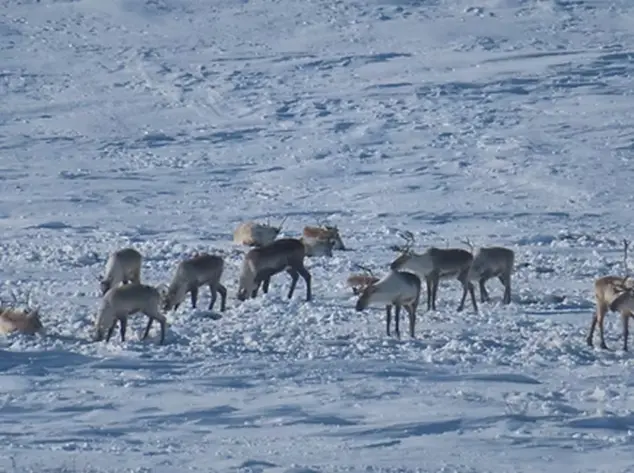
Caribou hold deep cultural significance for the Métis of the North Slave region. For generations, community members have relied on caribou as a staple food source and caribou hides have long been crafted into clothing, such as parkas, essential for survival in the northern climate. However, in recent years there has been a dramatic decline in caribou numbers in the NWT, and this has spurred NSMA members to take action. In response, the Guardianship Winter Road Monitoring program was established, reflecting NSMA members’ commitment to safeguarding their traditional territory.
Barren ground caribou deal with multiple stressors on their winter range in the NWT (e.g., climate change, habitat fragmentation, industrial disturbance, harvest) and disentangling the cumulative effects of these stressors can be difficult. In this project, we want to investigate the cumulative effects of the Tibbitt to Contwoyto Winter Road on the Beverly, Bathurst, and Bluenose East herds of barren-ground caribou, specifically focusing on how the road influences harvest pressure and effects caribou movement and behavior.
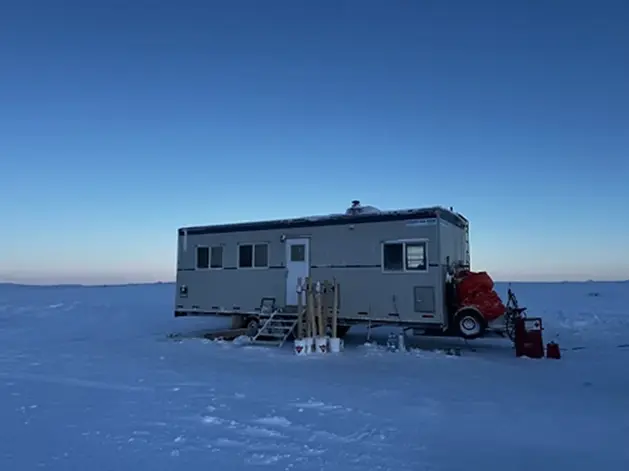
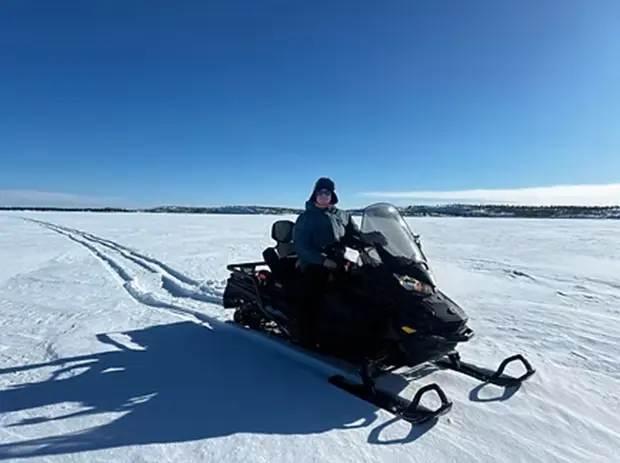
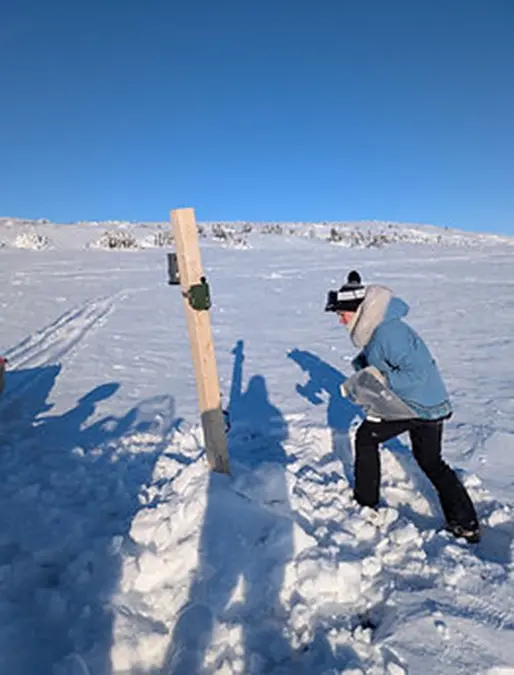
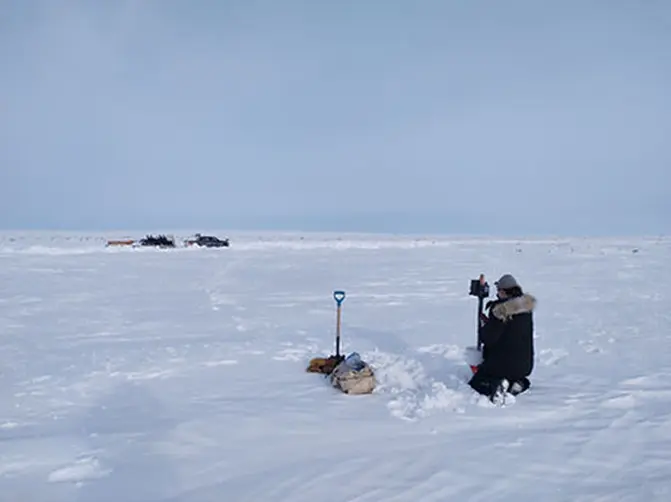
Each year, NSMA Guardians patrol the road during the February–March operating season to document caribou numbers, health, and harvest, as well as predators and other disturbances. In addition to these Guardian-led patrols, we also utilize western science methods such as game cameras, ARUs (autonomous recording units), and sampling techniques to understand the impact that this road is having on caribou.
This project represents a holistic, community-based monitoring program that is completely Indigenous-led. In addition to collecting important and relevant data, this program provides training and employment for NSMA community members and is helping to reconnect them to the land to conserve a culturally important species.
Biodiversity and Species at Risk Project
One of the biggest obstacles to conservation in Northern Canada is capacity limitations in an extremely large area of study. In the NWT, less than 40,000 people live in a territory spanning just over 1.3 million km2 which means we often have limited baseline information on species occurrences. Climate change, rising temperatures, and loss of permafrost are having a significant impact on northern communities, peoples, biodiversity, and habitats.
Conservation of northern species, especially those that are culturally important to Indigenous people, is critical. Métis of the Great Slave Lake region have inhabited the lands and waters of their traditional territories for generations and continue to use and inhabit them to this day. NSMA members can contribute heavily to documenting areas of importance for species diversity, historical presence of these species, as well as the habitats that are critical to local species.
The NSMA biodiversity project Merging Advanced Technologies with Traditional Knowledge for Species at Risk Protection began in 2019 with the overarching objective of using a combination of western science and Traditional Knowledge to identify and track targeted species at risk in the North Slave Region of the NWT. Targeted species are defined here as culturally important species and species at risk, notably Boreal Caribou, Wood Bison, Wolverine, Northern Leopard Frog, Western Toad, and Little Brown Myotis (bat). We used a combination of eDNA analysis and environmental sensors (game cameras and autonomous recording units) to create species baselines for each site to inform potential future conservation actions.
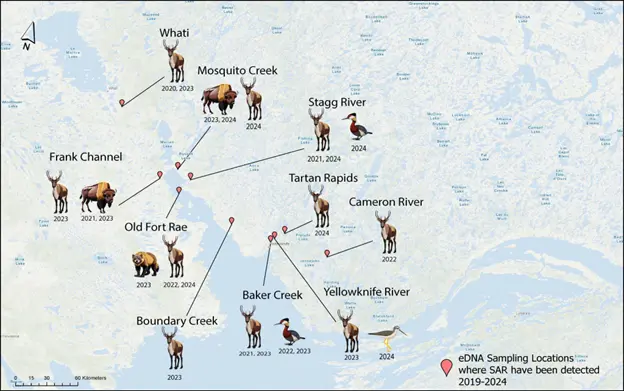
Sampling locations where Species at Risk have been detected 2019-2024 (Map: NSMA)
Wildlife Monitoring at Dinàgà Wek'èhodì (Old Fort Rae)
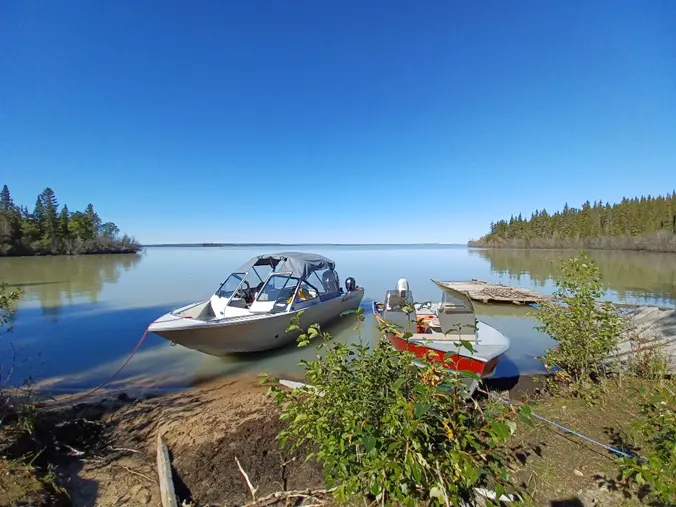
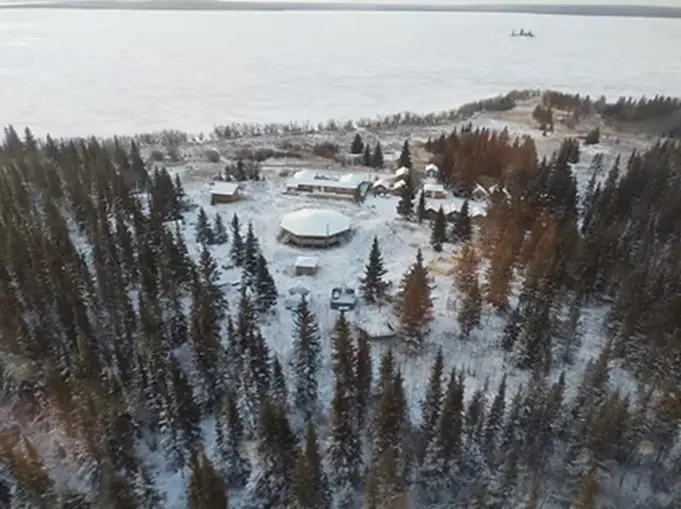
Old Fort Rae, located in the North Arm of Great Slave Lake within the proposed protected area of Dinàgà Wek’èhodì, is a community camp used by NSMA members for cultural activities. NSMA Guardians monitor the wildlife and conditions at this important site several times a year. Depending on the time of year and conditions, we access Old Fort Rae by skidoo, boat, or helicopter.
Currently, we have game cameras at Old Fort Rae year-round to monitor various species and we deploy ARUs during the summer months to investigate the bird and bat communities that live in the area. Old Fort Rae is also home to a small weather station that collects real-time data on atmospheric conditions such as temperature, humidity, wind speed/direction, precipitation, and barometric pressure.